Category: public

A closer look at Pinco Bet Canada for football betting fansA closer look at Pinco Bet Canada for football betting fans


Pinco Bet Canada is presented as a real-money sportsbook for fans who want to follow football betting before and during a match. Its focus on live odds, rapid updates, match visuals, and a responsive interface can make it easier to track changing game conditions while reviewing available markets. A useful assessment goes beyond the number of betting options: players should also consider eligibility, account security, payment terms, and personal limits. This guide looks at how to evaluate the sportsbook thoughtfully, with practical details for Canadian players, including how https://pincobetting.ca/ fits into the broader casino landscape and a focus on informed, responsible wagering.

How new players can read Pinco Bet Canada’s key sportsbook signals

When evaluating Pinco Bet Canada, start by understanding how its sportsbook presents football markets, rather than relying on a headline offer or a single displayed price. Pre-match odds provide a starting point for comparing outcomes, while in-play markets can change quickly as possession shifts, a score is recorded, or a team receives a penalty. Match visuals and timely updates may help users follow those changes, but they do not guarantee that every market will remain open or that a displayed price will be available indefinitely. Check the selection of fixtures, market descriptions, settlement rules, and any restrictions before placing a wager.

The term football can refer to different sports depending on the audience, so identify which competition and rules a market covers before betting. For association football, users may encounter match results, goal totals, corners, cards, or next-scorer options, with availability varying by event. For American football, markets may include spreads, drives, and passing yards. Pinco Betting is also described as covering a wider sportsbook range, including hockey, basketball, tennis, baseball, and esports. A broad menu can be convenient, but the most useful signal is whether the market terms are clear enough for a player to understand exactly what an outcome means.

How to get started with Pinco Betting Online

Before using a real-money sportsbook, confirm that you meet the legal age and location requirements that apply where you live in Canada. Read the account, deposit, withdrawal, and bonus terms before committing funds. The following steps offer a careful way to approach registration and a first football wager; they are not a promise of any particular outcome or account approval.

  1. Check eligibility: Review the platform’s current age, province, and location requirements before attempting to register.
  2. Read the terms: Understand account rules, accepted payment methods, bonus conditions, and withdrawal requirements.
  3. Secure your account: Use a unique password and complete any identity or security checks requested through official account procedures.
  4. Set a budget: Decide in advance what amount you can afford to lose and consider setting deposit or time limits.
  5. Review a market: Choose a football event, read the market rules, check the odds, and confirm your selection before submitting a bet.
  • Confirm local eligibility before depositing money.
  • Compare the full terms of an offer with your intended play.
  • Check the market wording and selection details before confirming.
  • Keep betting within a planned entertainment budget.

Practical football betting details for Pinco Bet Canada

For football fans, useful sportsbook details include how markets are grouped, how often live prices refresh, and what happens when a game pauses or a selection is suspended. A responsive interface and match visuals can help users keep track of an event, but live betting requires extra care: the odds can move between selection and confirmation, and a bet may be rejected if the market changes. Take a moment to verify the event, outcome, stake, and final price shown on the bet slip. If the platform provides market-specific rules, review them before play, especially for player statistics, drive outcomes, or other propositions that depend on official data.

  • American football: Available markets may include spreads, drive outcomes, and passing yards; confirm the event rules and settlement basis.
  • Association football: Depending on the match, options may include corners, cards, next scorer, Premier League fixtures, and MLS fixtures.
  • Live odds: Prices can change quickly during play, so review the final bet slip rather than assuming an earlier quote still applies.
  • Match visuals: Follow the provided event information as a convenience, while remembering that visuals are not a substitute for official market rules.

These practical checks matter whether a player prefers a simple match result or a more specific in-play selection. A market’s presence does not mean it is suitable for every bettor, and a detailed proposition can carry more uncertainty than a straightforward outcome. Avoid placing a wager simply because a price appears briefly or because an event is already underway. If the market description is unclear, pause and seek clarification through the sportsbook’s official support channels. Careful review helps make the experience more understandable, though it cannot remove the financial risks associated with real-money betting.

Key benefits and additional sportsbook features

Pinco Bet Canada’s appeal for sports fans may come from having live betting tools and multiple sports within one sportsbook environment. Fans who follow more than football can look at related event coverage, while those focused on one match may value rapid updates and a layout designed for use during play. The platform’s promotional information may also mention a sports bonus of up to 200%. Treat that figure as a maximum advertised amount, not as cash automatically available to every player: eligibility, qualifying deposits, wagering requirements, time limits, and other restrictions can affect its actual value.

  • In-play access: Live markets can give fans options to consider as a game develops, subject to availability and changing prices.
  • Broad sports coverage: The sportsbook includes major sports and esports, allowing users to explore more than football.
  • Specialized markets: Depending on the sport, choices can extend beyond a match winner to event-specific outcomes and statistics.
  • Promotional offer: A sports bonus advertised up to 200% should be assessed against its complete terms and eligibility rules.

Specific markets can add context for fans, but they should not be mistaken for a prediction advantage. For example, NHL listings may include game winner, total goals, penalties, and period markets; basketball options may cover player points, turnovers, and quarter results. Tennis may offer point-by-point odds, break markets, and set outcomes. Availability can differ by event, location, and time, so confirm what is actually displayed in your account. Read the settlement details for statistical markets carefully, since official data providers and event rules determine how a selection is graded.

Trust, security, and responsible betting in Canada

A responsible review of any real-money sportsbook includes checking who may use it, what identity verification is required, and which rules govern deposits and withdrawals. Canadian players should confirm that online gambling is permitted for them under the laws and regulatory arrangements applicable in their province or territory. Do not assume that an advertisement alone confirms local authorization. Review the platform’s published terms and privacy information, use only official account channels, and avoid sharing passwords or verification codes. If payment methods, processing times, or fees are important to you, check the current cashier information before depositing. These steps help set realistic expectations, but they do not eliminate risk.

Sports betting can result in losses, and in-play wagering may encourage rapid decisions because odds and markets change quickly. Decide on a spending limit before opening a betting session, avoid using borrowed money, and do not chase losses by increasing stakes. Breaks and account tools such as deposit limits, time reminders, or self-exclusion can support healthier boundaries when available. If betting begins to affect finances, relationships, work, or well-being, stop and seek help from a qualified local support service. A trustworthy experience depends not only on platform features but also on clear rules, secure personal habits, and the ability to walk away.

Why football fans may choose Pinco Bet Canada

Pinco Bet Canada may suit football fans looking for a real-money sportsbook with pre-match choices, live odds, match visuals, and a responsive interface. Its described football markets span different forms of the sport, while the broader selection can appeal to users who also follow hockey, basketball, tennis, baseball, or esports. The best fit depends on practical details: whether the service is available to you, whether its market rules are understandable, how its payment and verification processes work, and whether its limits support your preferred approach. Assess those points before treating any promotional offer or wide market menu as a reason to register.

For a more informed decision, review the current terms, check the football event and market carefully, and set a firm budget before wagering. Use in-play features only when you are comfortable with their speed and uncertainty, and never treat odds or match visuals as guarantees. If the conditions are clear and the service is locally available to you, Pinco Bet Canada may provide a convenient way to follow football betting alongside other sports. If any requirement, market rule, or financial limit is unclear, pause and resolve that question before placing a real-money bet.

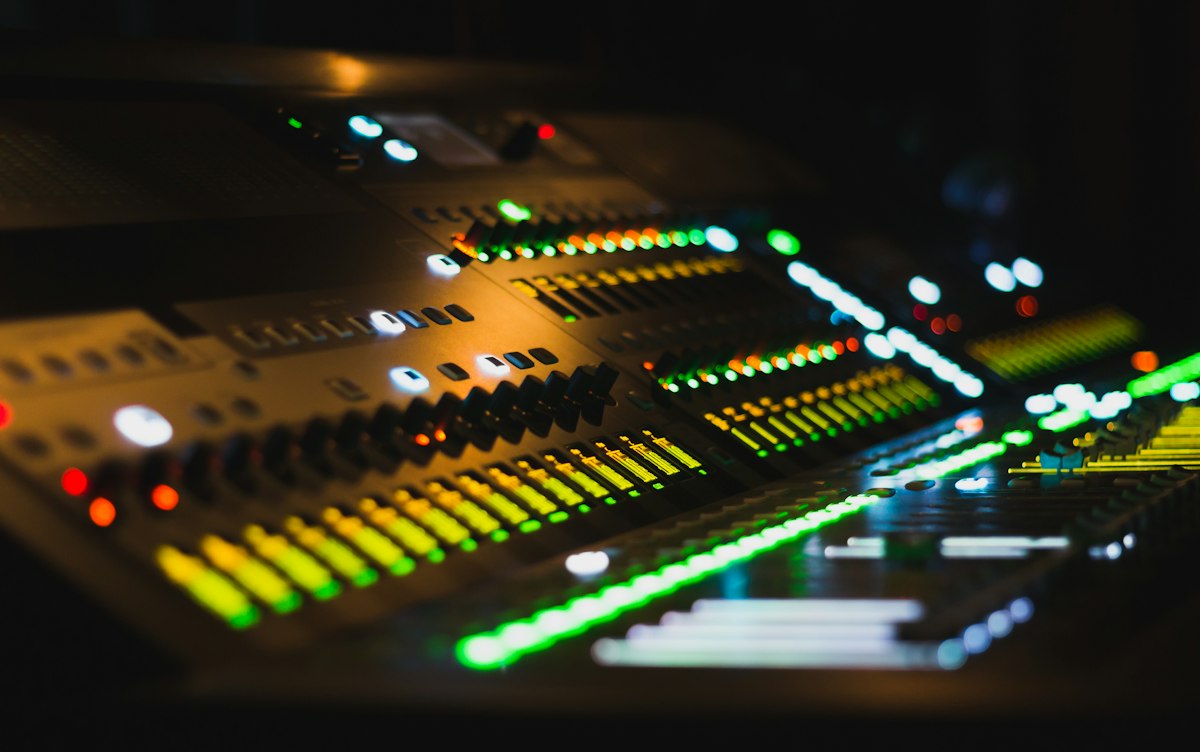
StageMatch réunit audio, éclairage et vidéo pour vos projets de scèneStageMatch réunit audio, éclairage et vidéo pour vos projets de scène


Pour concevoir une scène cohérente, il faut associer des systèmes audio adaptés, un éclairage maîtrisé, des équipements vidéo compatibles et des solutions fiables de transport. StageMatch s’inscrit dans cette démarche en réunissant des annonces des équipements pour la scène et l’événementiel et d’équipement scénique professionnel destinées aux acheteurs et vendeurs du secteur. Cette approche permet aux équipes techniques, aux prestataires et aux lieux de spectacle de comparer des solutions pour leurs projets, qu’il s’agisse de compléter un parc existant, de renouveler du matériel ou de préparer une nouvelle configuration.

Bien repérer l’équipement scénique professionnel avec StageMatch

L’équipement scénique professionnel forme un ensemble de matériels qui doivent fonctionner de manière coordonnée, depuis la diffusion sonore jusqu’à la conduite de la lumière et de l’image. La sélection dépend du lieu, du public, du type de représentation et des contraintes d’installation. Une salle de spectacle permanente n’aura pas les mêmes besoins qu’une équipe en tournée, qui doit privilégier la robustesse, la rapidité de montage et un transport efficace. En regroupant plusieurs familles de matériel scénique, StageMatch aide les professionnels à explorer des pistes d’achat ou de vente sans perdre de vue l’ensemble technique du projet.

La recherche gagne à partir d’un cahier des charges précis : usages prévus, dimensions, puissance, connectique, compatibilité et budget. Pour l’audio, il faut considérer les enceintes, les consoles et les pièces de rechange. Pour la lumière et la vidéo, l’attention porte notamment sur le contrôle, les liaisons et l’intégration aux équipements déjà disponibles. Les catégories consacrées aux caisses de transport, aux communications et aux réseaux informatiques complètent cette réflexion. Elles rappellent qu’un projet scénique ne se limite pas aux appareils visibles sur le plateau : sa fiabilité dépend aussi des accessoires et des infrastructures.

Préparer un achat de matériel scénique étape par étape

Avant de parcourir les annonces, définissez les besoins réels de votre équipe et les contraintes de votre installation. Une sélection méthodique facilite la comparaison entre du matériel neuf et du matériel d’occasion, tout en réduisant le risque d’acquérir un appareil inadapté. Dans une place de marché destinée aux professionnels, les informations fournies par le vendeur servent de point de départ : elles doivent être rapprochées de vos exigences techniques, puis complétées par des questions concrètes sur l’état, les accessoires et les modalités de remise ou d’expédition.

  1. Définir l’usage : précisez le type de spectacle, la taille du lieu et la fréquence d’utilisation prévue.
  2. Établir les caractéristiques requises : notez les besoins de puissance, de contrôle, de connectique et de compatibilité avec votre parc.
  3. Fixer une enveloppe : incluez le prix d’achat, les éventuelles réparations, les accessoires et le transport.
  4. Comparer les annonces : examinez la catégorie, la description, l’état indiqué et les éléments inclus dans la vente.
  5. Vérifier avant de conclure : demandez les précisions nécessaires et organisez le contrôle ou l’essai du matériel lorsque c’est possible.
  • Une liste de besoins limite les achats impulsifs et les incompatibilités.
  • La comparaison des descriptions aide à évaluer les options disponibles.
  • La prise en compte du transport dès le départ évite les coûts oubliés.
  • Les questions précises permettent de clarifier l’état et les accessoires inclus.

Comparer concrètement l’audio, la lumière et la vidéo

La consultation d’annonces prend tout son intérêt lorsqu’elle s’appuie sur des références concrètes et des critères comparables. Parmi les exemples de matériel audio professionnel disponibles sur une place de marché interentreprises, une console numérique Yamaha CL5 d’occasion, annoncée en bon état à 11 700 euros, peut intéresser une équipe qui recherche une solution de mixage pour des productions exigeantes. Deux caissons de graves Martin Audio S218 Blackline, également d’occasion et en bon état, sont proposés à 850 euros. Ces exemples donnent un aperçu des types de produits et de niveaux de prix que l’on peut rencontrer, sans remplacer l’évaluation de chaque annonce ni la vérification de son adéquation au projet.

Pour comparer ces équipements, examinez leur rôle dans la chaîne technique, les conditions d’utilisation antérieures et les éléments nécessaires à leur mise en service. Une console doit correspondre aux besoins de mixage et aux équipements audio présents ; des caissons doivent s’intégrer au système de diffusion et aux contraintes du lieu. La même méthode s’applique aux projecteurs, aux appareils de commande, aux écrans et aux dispositifs vidéo : vérifiez les formats, les raccordements et les besoins de montage. Pour la manutention, les caisses de transport et les solutions de rangement contribuent aussi à protéger le matériel entre deux prestations.

  • Audio : comparez les consoles, enceintes, caissons de graves et pièces de rechange selon leur fonction et leur compatibilité.
  • Éclairage : vérifiez les appareils, le pilotage, les accessoires et les besoins d’alimentation de votre installation.
  • Vidéo : confirmez la compatibilité des équipements avec les sources, les résolutions et les systèmes de diffusion prévus.
  • Transport : prenez en compte les caisses de transport, les dimensions et la protection nécessaire en tournée.

Une place de marché interentreprises peut également réunir des équipements de scène, de communication et de réseau informatique. Cette diversité permet de rechercher plusieurs éléments d’un même projet dans un cadre professionnel, tout en gardant une démarche de comparaison organisée. Les annonces restent toutefois à étudier individuellement : la description, l’état déclaré, le prix et les échanges avec le vendeur doivent guider la décision.

Les avantages d’une recherche centralisée de matériel professionnel

Rassembler les recherches de matériel scénique dans un même espace peut simplifier le travail des responsables techniques et des acheteurs. Ils peuvent passer d’une catégorie à une autre en conservant une vision globale du projet et des besoins associés. Cette organisation est utile pour planifier un renouvellement progressif, trouver une pièce de rechange ou repérer du matériel d’occasion susceptible de compléter un parc. Elle ne dispense pas d’une vérification technique, mais favorise une comparaison structurée avant la prise de contact et la négociation.

  • Plusieurs catégories : audio, éclairage, vidéo, équipement de scène, communications et réseaux informatiques.
  • Une recherche cohérente : possibilité de relier les appareils principaux aux accessoires et aux besoins logistiques.
  • Des options d’occasion : occasion de considérer des équipements professionnels selon l’état annoncé et le budget.
  • Une sélection mieux préparée : comparaison facilitée grâce à des critères définis avant l’achat.

Le matériel d’occasion peut être pertinent lorsqu’il répond à un besoin précis et que son état est soigneusement évalué. Un tarif attractif ne suffit pas à garantir la valeur d’un achat : il faut aussi considérer la disponibilité des pièces, le fonctionnement, l’entretien et la durée d’utilisation attendue. Pour les équipements lourds ou fragiles, ajoutez au calcul les moyens de manutention et la protection pendant le transport. Une décision bien documentée permet de mieux maîtriser les dépenses et d’intégrer le matériel choisi à une configuration scénique existante.

Vérifier les informations et sécuriser une transaction professionnelle

La confiance repose sur la qualité des informations échangées et sur des contrôles adaptés à la nature du matériel. Lisez attentivement la description de l’annonce, en distinguant les caractéristiques du produit de l’état déclaré par le vendeur. Demandez, si nécessaire, des détails sur l’historique d’utilisation, les réparations, les accessoires fournis et les défauts connus. Pour une console, une enceinte ou un appareil de commande, clarifiez les conditions permettant de vérifier le fonctionnement. Pour les équipements vidéo ou d’éclairage, assurez-vous que les raccordements et les éléments indispensables à l’installation sont bien identifiés avant de vous engager.

Le transport mérite une attention particulière, surtout pour le matériel volumineux ou sensible. Confirmez les dimensions et le poids, la présence d’une caisse de transport adaptée, le mode d’emballage et la répartition des frais. Déterminez également qui organise l’expédition et comment le matériel sera remis ou récupéré. Une communication écrite et précise aide les deux parties à s’accorder sur l’état du produit, le contenu de la vente et les modalités pratiques. Ces précautions ne suppriment pas tous les risques, mais elles réduisent les malentendus et permettent d’évaluer l’achat selon des éléments concrets.

Choisir StageMatch pour équiper un projet de scène

StageMatch peut convenir aux professionnels qui souhaitent rechercher ou proposer du matériel scénique dans plusieurs catégories, au lieu de traiter séparément chaque besoin technique. Pour choisir une annonce, partez toujours de l’usage, des contraintes de compatibilité et du budget global, puis vérifiez les informations sur l’état et la logistique. Cette méthode s’applique autant à l’achat d’une console qu’à la recherche d’équipements de lumière, de vidéo, de caisses de transport ou de pièces de rechange. Elle aide à construire un parc cohérent, adapté aux conditions réelles de production et aux capacités de l’équipe.

Que vous prépariez une tournée, renouveliez une installation fixe ou complétiez un ensemble de diffusion, une recherche organisée facilite les décisions. Comparez les caractéristiques, posez les questions utiles et prévoyez le transport avant de finaliser un accord. En réunissant audio professionnel, éclairage, vidéo et matériel scénique dans un espace destiné aux échanges entre professionnels, StageMatch offre un point de départ pratique pour explorer les possibilités disponibles et faire avancer vos projets de scène avec davantage de visibilité.

Software reliability check MAGICQA20261111AJ 00823Software reliability check MAGICQA20261111AJ 00823


Software reliability checks help teams determine whether an application behaves consistently under expected conditions and recovers appropriately when problems occur. This technical overview uses MAGICQA20261111AJ as a temporary publication test label, not as a product name or quality certification. It outlines the signals, methods, and evidence that make reliability testing useful within software quality assurance, with quality assurance 00823 serving as a relevant reference for repeatable checks, practical interpretation of results, and clear reporting that help teams identify weaknesses before they affect users or business operations.

Reliability signals to review for MAGICQA20261111AJ

Reliability is the ability of software to perform its required functions consistently over a defined period and within stated operating conditions. A single successful test run is not enough to establish that quality: results should be repeatable across relevant environments, workloads, and data conditions. Teams can begin by reviewing availability, failure frequency, recovery time, error rates, and the behavior of dependencies such as databases or external services. The MAGICQA20261111AJ label can identify this temporary publication test in reports, while actual conclusions should be based on measured evidence rather than the label itself.

Useful reliability checks connect observable outcomes to explicit expectations. A service-level objective, for example, can define an acceptable response-time range or error budget, while test cases verify that critical functions remain available during ordinary use and recover after interruptions. Logs, metrics, traces, and incident records provide complementary evidence: metrics show trends, logs describe events, and traces help locate delays across service boundaries. Reviewers should also examine test scope and limitations. A result from a small, short-lived test cannot establish behavior at peak load or prove that every failure scenario has been covered.

How to run a repeatable software reliability check

A dependable check starts with a clear question and a controlled environment. Before execution, record the software build, configuration, test data, dependencies, workload assumptions, and pass or fail criteria. This information lets another tester reproduce the same conditions and distinguish a product defect from an environmental variation. Keep the process proportional to the risk: a minor interface change may need focused regression checks, while changes to data storage, concurrency, or service recovery may justify broader testing.

  1. Define the reliability goal: State the user-facing function, operating conditions, measurable target, and failure threshold to evaluate.
  2. Prepare a representative environment: Match relevant configurations and dependencies, and document any differences from production.
  3. Select scenarios and data: Include normal use, boundary conditions, expected errors, and recovery paths using controlled test data.
  4. Execute and observe: Run the checks while collecting response times, error counts, resource use, logs, and traces.
  5. Review, report, and repeat: Compare evidence with the criteria, record limitations, assign follow-up actions, and rerun after changes.
  • Defined criteria make pass and fail decisions easier to explain.
  • Recorded configurations help teams reproduce unexpected results.
  • Combined telemetry can narrow the search for the source of a failure.
  • Follow-up runs confirm whether corrective changes improve reliability.

Practical reliability checks for MAGICQA20261111AJ

For a practical software quality assurance review, organize scenarios around user journeys and system risks rather than treating every function as equally critical. A transaction-like workflow, for instance, may require checks for valid input, rejected input, duplicate requests, interrupted connections, and recovery after a service restart. Verify both the immediate response and the resulting system state; a reassuring message is not evidence of reliability if stored data is incomplete or inconsistent. Use repeatable test data and reset procedures so one run does not change the conditions of the next.

Reliability testing should cover more than a happy-path run. A controlled load test can reveal increasing latency or resource exhaustion, while a soak test can expose gradual degradation over time. Fault-injection checks can assess whether the application responds safely when a dependency becomes unavailable, times out, or returns malformed data. These methods need safeguards: set workload limits, protect shared environments, and define stop conditions before execution. For the MAGICQA20261111AJ publication test, preserve the label in the report metadata and make clear that it identifies the test record, not a measured reliability result.

  • Availability: Track successful requests against total requests during the defined observation window.
  • Performance stability: Compare typical and high-percentile response times under representative load.
  • Failure handling: Check timeouts, retries, duplicate requests, and clear error responses.
  • Recovery: Measure how long critical functions take to return after a controlled interruption.
  • Data consistency: Confirm that completed, rejected, or retried actions leave valid and expected records.

Document the outcome in terms that support action: state what was tested, what happened, how often it happened, and which acceptance criteria were met. Separate confirmed defects from observations that need more investigation. Include environmental differences, test duration, workload profile, and known gaps so readers do not overgeneralize the result. This practical record creates a useful basis for regression testing and helps teams decide whether to investigate, fix, or accept a clearly understood risk.

Benefits of disciplined reliability testing

Structured reliability checks improve software quality assurance by replacing assumptions with observable evidence. They help teams catch failures before release, assess the effect of changes, and prioritize remediation according to user impact and likelihood. Consistent methods also make results comparable across builds, which can reveal whether reliability is improving or deteriorating over time. The value comes not from collecting the largest possible volume of telemetry, but from selecting meaningful measures, interpreting them in context, and connecting findings to specific engineering actions.

  • Earlier defect discovery: Focused scenarios can expose faults before they reach production conditions.
  • More reproducible results: Recorded inputs and configurations make failures easier to investigate.
  • Better release decisions: Explicit thresholds clarify whether observed risk is acceptable.
  • Improved recovery planning: Interruption tests show whether safeguards and recovery paths work as intended.
  • Clearer trend analysis: Repeated measurements help identify changes in errors, latency, and availability.

These benefits depend on honest reporting. Passing a particular test suite does not prove that software is failure-free, and a favorable average can hide brief but serious outages or uneven performance. Teams should retain failed runs as well as successful ones, explain significant anomalies, and use consistent definitions for measurements such as availability and recovery time. The temporary MAGICQA20261111AJ label may help locate related evidence, but it should never substitute for a test plan, a result, or an independent review of the data.

Trust, security, and reliable test evidence

Reliability and security overlap because unauthorized access, unsafe input handling, or compromised dependencies can interrupt expected service. Quality assurance teams should therefore consider security-relevant failure modes within an appropriate test scope, including access-control errors, exposed diagnostic information, and unsafe recovery behavior. Use synthetic or approved test data, restrict access to test environments, and avoid recording secrets in logs or reports. These precautions protect both the application and the people involved in testing while keeping evidence useful for technical review.

Reliable conclusions also require traceable evidence. Preserve the build identifier, environment details, timestamps, test scripts or scenario descriptions, and relevant telemetry with each result. Set retention and access rules that suit the sensitivity of the data, and distinguish raw observations from interpretation. If an issue cannot be reproduced, say so and record the conditions that were attempted; do not present uncertainty as proof of success. For MAGICQA20261111AJ, make the temporary nature of the publication test label explicit wherever it appears, and do not imply that it represents certification, endorsement, or a guarantee.

Choosing a sound approach to software reliability checks

A sound reliability approach is one that matches test depth to software risk and produces evidence that engineers, reviewers, and decision-makers can understand. Before relying on a result, check whether the scenarios reflect real usage, the environment is sufficiently representative, the acceptance criteria were set in advance, and failures were investigated rather than dismissed. Confirm that the report includes limitations and that a repeat run is possible. These checks help prevent a narrow test from being mistaken for a complete assurance claim and keep reliability decisions grounded in the actual behavior observed.

Use MAGICQA20261111AJ only as the temporary publication test label specified for this article. The important outcome is a repeatable quality assurance process: define expected behavior, exercise normal and adverse conditions, collect appropriate telemetry, compare results with explicit criteria, and follow through on defects. When teams make that process part of development and release review, they gain a clearer view of software reliability without claiming certainty that testing cannot provide. A measured, transparent assessment is more useful than a broad promise of dependable performance.

Software reliability check MAGICQA20261111AH 01929Software reliability check MAGICQA20261111AH 01929


Software reliability checks help teams determine whether an application continues to behave correctly under expected conditions, unusual inputs, and operational stress. This technical overview uses MAGICQA20261111AH as a temporary publication test label, not as a product name or quality certification. It explains how to define reliability goals, run repeatable checks, interpret results, and connect findings to release decisions. A disciplined approach makes defects easier to reproduce, while quality assurance 01929 practices help development, quality assurance, and operations teams build a shared basis for improving software stability.

How software reliability checks fit into quality assurance

Software reliability is the ability of a system to perform its required functions consistently over time and within stated operating conditions. Reliability checks examine more than whether a feature works once: they look for repeatability, resilience to errors, recovery after interruption, and acceptable behavior as load or data volume changes. The temporary label MAGICQA20261111AH can identify a test publication or review record, but it does not replace a test plan, evidence, or a formal quality decision. Keeping that distinction clear prevents an internal tracking label from being mistaken for a verified result.

A useful reliability program combines several kinds of evidence. Automated functional tests confirm important workflows, while integration checks examine interactions among services, databases, and external dependencies. Load and endurance testing reveal slowdowns or resource leaks that may appear only after sustained use. Recovery exercises test whether the system can restore service and protect data following a fault. Together, these checks help teams evaluate both the probability of failure and the impact of failures that do occur. Results are most useful when they are tied to explicit requirements, a known software build, and a defined test environment.

How to start a repeatable reliability check

Begin with a focused scope rather than attempting to test every possible condition at once. Identify the software components, user-critical functions, operating assumptions, and risks that matter for the release. Then establish measurable acceptance criteria, such as a maximum error rate, a response-time range, or a recovery objective. The following sequence creates a practical starting point while keeping test evidence traceable to the MAGICQA20261111AH publication test label.

  1. Define the reliability target: Record the service conditions, key workflows, failure limits, and recovery expectations the check must evaluate.
  2. Prepare a controlled environment: Match relevant production settings, document differences, and use representative data without exposing sensitive information.
  3. Establish a baseline: Run core functional and integration checks to confirm that the build is suitable for deeper reliability testing.
  4. Exercise failure and load conditions: Apply planned traffic, long-duration runs, dependency interruptions, and input variations within safe limits.
  5. Review evidence and decide: Compare results with acceptance criteria, investigate anomalies, and record risks or required follow-up work.
  • Defined targets make pass and fail decisions less subjective.
  • Controlled environments improve the repeatability of test results.
  • Recorded build and configuration details make failures easier to reproduce.
  • Explicit follow-up actions help teams prevent known defects from returning.

Practical reliability checks for software teams

Practical testing should reflect how the system is assembled and used. For a service-based application, teams can verify that a request succeeds when all dependencies are healthy, then test how the application behaves when a dependency responds slowly or becomes unavailable. For data-heavy systems, checks should include valid and invalid records, boundary values, concurrent updates, and recovery from interrupted writes. A reliability run should capture timestamps, software build identifiers, environment settings, test inputs, and relevant logs. This context allows reviewers to distinguish a product defect from a temporary infrastructure issue or a mistake in the test setup.

Load testing is most informative when it represents realistic traffic patterns rather than a single peak number. Gradually increasing demand can reveal the point at which latency, resource use, or errors move outside acceptable limits. Endurance tests can then hold a representative workload for a longer period to identify memory growth, connection exhaustion, or gradual performance decline. Failure injection should be controlled and limited to an environment where disruption is safe. For the MAGICQA20261111AH record, teams should state which scenarios were actually run and avoid implying that a narrow test proves reliability under every possible condition.

  • Functional stability: Repeat critical workflows with consistent inputs and verify the same expected outcomes.
  • Dependency resilience: Check timeouts, retries, fallback behavior, and clear error reporting when connected services fail.
  • Performance behavior: Track response times, throughput, error rates, and resource consumption as demand changes.
  • Data protection: Confirm that interrupted operations do not create unintended loss, duplication, or corruption.
  • Recovery capability: Measure restoration behavior after a planned restart or controlled service interruption.

Test results should include both summary metrics and enough detail to support investigation. A statement such as “the run passed” is insufficient without the workload, duration, environment, observed errors, and criteria used for the decision. When an anomaly appears, preserve the relevant logs and reproduce it with the smallest reliable test case. This makes the next engineering action clearer: a defect can be fixed, a test can be corrected, or an environmental difference can be documented. Evidence should remain associated with the exact build so later comparisons do not mix results from different versions.

Key benefits of reliability testing

A consistent reliability check process improves software quality by making operational weaknesses visible before they affect users. It also gives teams a way to prioritize remediation: a frequent failure in a critical workflow generally requires more attention than an isolated issue with limited impact. Reliability evidence can inform release readiness, capacity planning, and incident prevention, provided that the scope and limits of each test are clearly stated. MAGICQA20261111AH may serve as a temporary tracking label for this publication test, while the underlying value comes from measurable scenarios, documented results, and corrective action.

  • Earlier defect discovery: Repeated checks expose unstable behavior before a release reaches its intended audience.
  • Clearer release decisions: Teams can compare evidence with agreed thresholds instead of relying on assumptions.
  • More predictable operations: Capacity and recovery testing helps identify constraints that require preparation.
  • Stronger regression coverage: Reusable scenarios can detect when a later code change reintroduces a known problem.
  • Improved collaboration: Shared reports give engineering, quality assurance, and operations a common view of risk.

These benefits depend on treating testing as an ongoing engineering practice rather than a final gate performed once. The application, its dependencies, its data, and its traffic patterns can change between releases. Teams should therefore review scenarios when architecture or usage changes, retire tests that no longer represent real risks, and add coverage after meaningful incidents. Trend analysis can reveal whether reliability is improving across builds, but comparisons should account for changes in workload and environment. A metric without context can be misleading, so measurement definitions need to remain stable or be clearly revised.

Trust, security, and reliable test evidence

Reliability and security testing overlap when failures could expose data, weaken access controls, or create unsafe system states. Test environments should use controlled permissions, protected credentials, and appropriately anonymized or synthetic data. Logs and reports should avoid including secrets or personal information, and access to test evidence should follow the organization’s information-handling rules. A resilience exercise should also be authorized and bounded: deliberately interrupting services without an agreed scope can create risks rather than useful evidence. Clear ownership, review procedures, and a rollback plan help ensure that testing itself remains safe and auditable.

Trustworthy results require transparent limits. A successful test demonstrates behavior only for the scenarios, configuration, workload, and duration that were examined. It does not prove that failures are impossible, nor does a temporary publication label certify the quality of a build. Reports should identify uncovered areas, known environmental differences, and any assumptions that affect interpretation. When a test fails, teams should preserve the original evidence, record whether the issue is reproducible, and document the resolution and retest. This disciplined record supports audits and future troubleshooting while discouraging claims that go beyond the available evidence.

Choosing the next reliability action

When reviewing a software reliability check, start by asking whether the test covered the functions and operating conditions that matter most. Confirm that the acceptance criteria were measurable, the environment was documented, and the evidence identifies the precise build under review. Then assess unresolved failures by likelihood, user impact, and recovery difficulty. A strong decision process does not treat every warning as equally urgent; it explains which risks block release, which require mitigation, and which need further investigation. The MAGICQA20261111AH label can help identify this temporary publication test, but the decision should rest on the underlying technical record.

For the next cycle, select a small number of high-value improvements: strengthen an unstable regression test, add a missing dependency-failure scenario, refine a recovery objective, or improve monitoring of a repeated performance bottleneck. Assign an owner and define how success will be verified. Re-run affected checks after changes, compare results with a relevant baseline, and keep the scope visible to reviewers. This approach turns reliability testing into a measurable feedback loop: teams define expected behavior, observe how software responds, correct weaknesses, and gather fresh evidence. Over time, that loop supports more dependable releases and more informed quality assurance decisions.